Sewer line leak detection finds where a damaged drain or sewer pipe is releasing wastewater or gas — underground, under a slab or inside a wall — using camera inspection, smoke testing, dye testing and sometimes pressure or flood testing. If you're smelling sewer gas, seeing a soggy or extra-green patch of lawn, or finding settling over the line, call (855) 554-1144 to connect with a Connecticut contractor who can pinpoint the source before anything gets torn up.
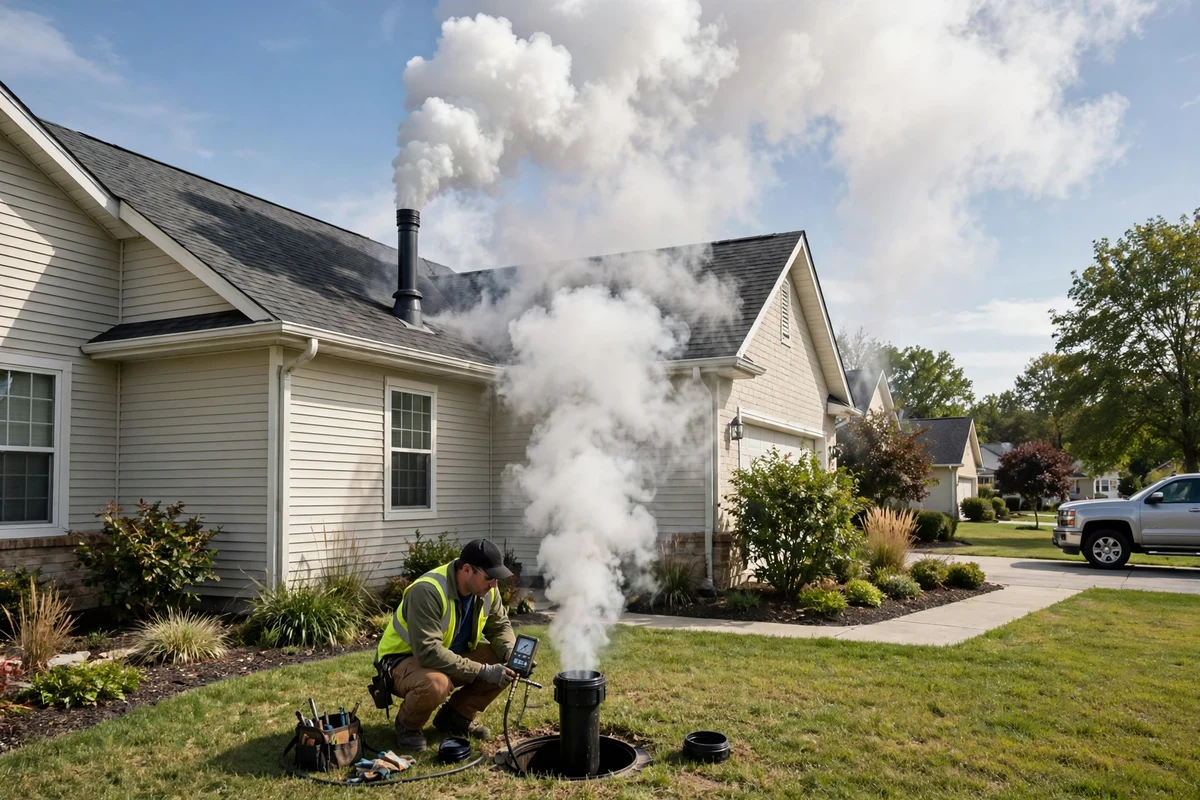
Sewer smoke testing, with smoke rising from a roof vent and from a defect in the lawn.
Signs you may have a sewer line leak
Sewer odor in the basement, yard or a room with no obvious cause
A strip of lawn that's greener, softer or wetter than the rest
Sinkholes, depressions or settling above the line
Mold, damp spots or stains on basement walls or floors
Rodents or insects around the foundation
Slow drains combined with odor
Cracks in a slab or foundation near drain lines
Higher sewer usage readings than expected in some towns
None of these prove the sewer line is leaking — a wet lawn can be a sprinkler or groundwater — which is exactly why testing beats guessing. More warning signs are covered in signs of a broken sewer line.
How sewer leaks are found
Method
What it does
Best for
Camera inspection
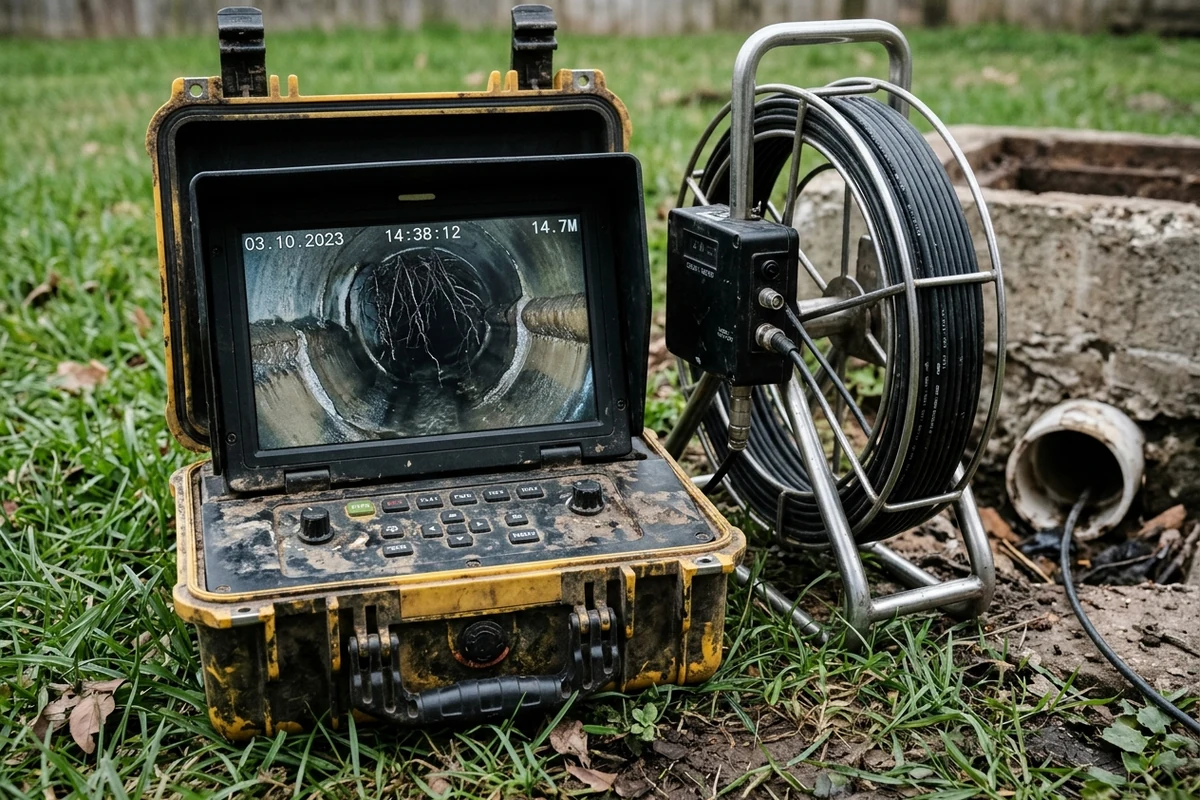
Shows cracks, open joints and breaks from inside the pipe and locates them from above.
Underground laterals and building drains.
Smoke testing
Non-toxic smoke is blown into the system; it escapes wherever the pipe or a vent connection is open.
Sewer-gas odors, dry vent leaks, cracked lines near the surface.
Dye testing
Tracing dye is flushed down a fixture to see where water appears.
Confirming whether a wet spot is sewage, and whether downspouts or sump pumps are tied in.
Water / flood testing
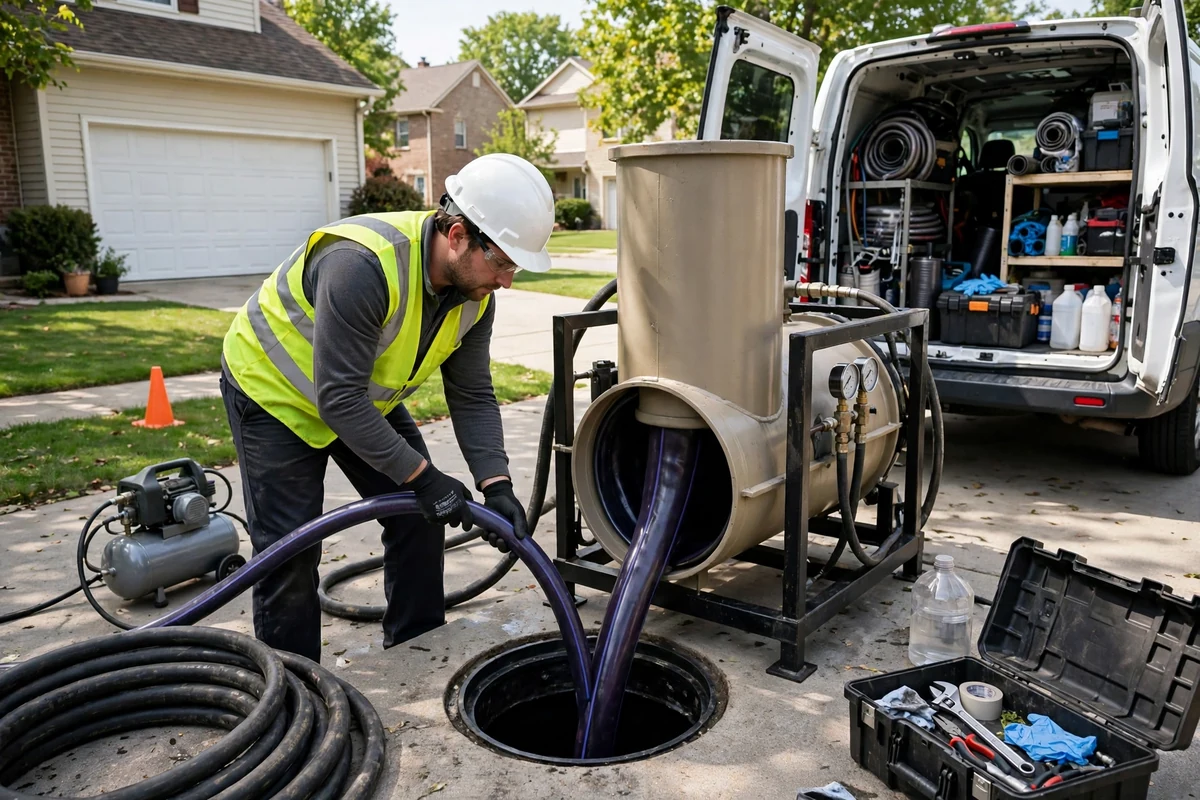
A section of drain is plugged and filled to see whether the level drops.
Under-slab drain lines.
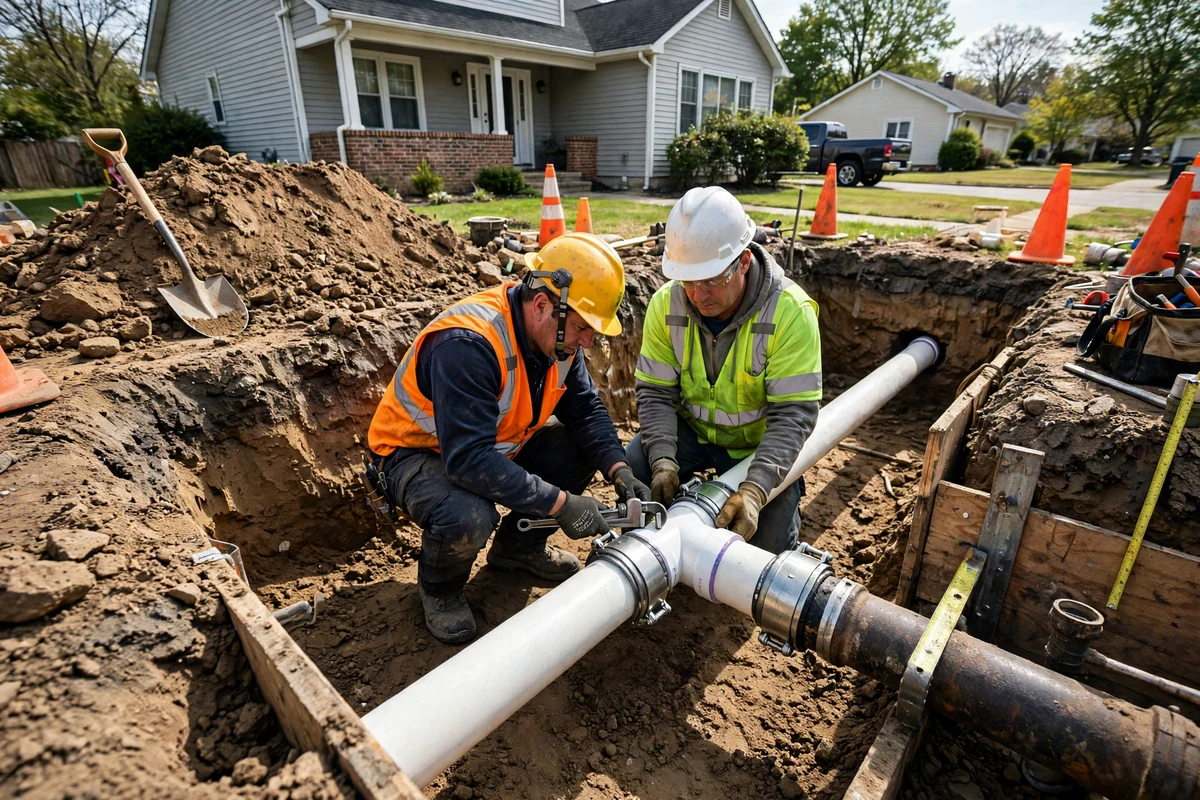
Most leak calls start with a sewer camera inspection, with smoke or dye testing added when the source is still unclear.
Why sewer leaks matter
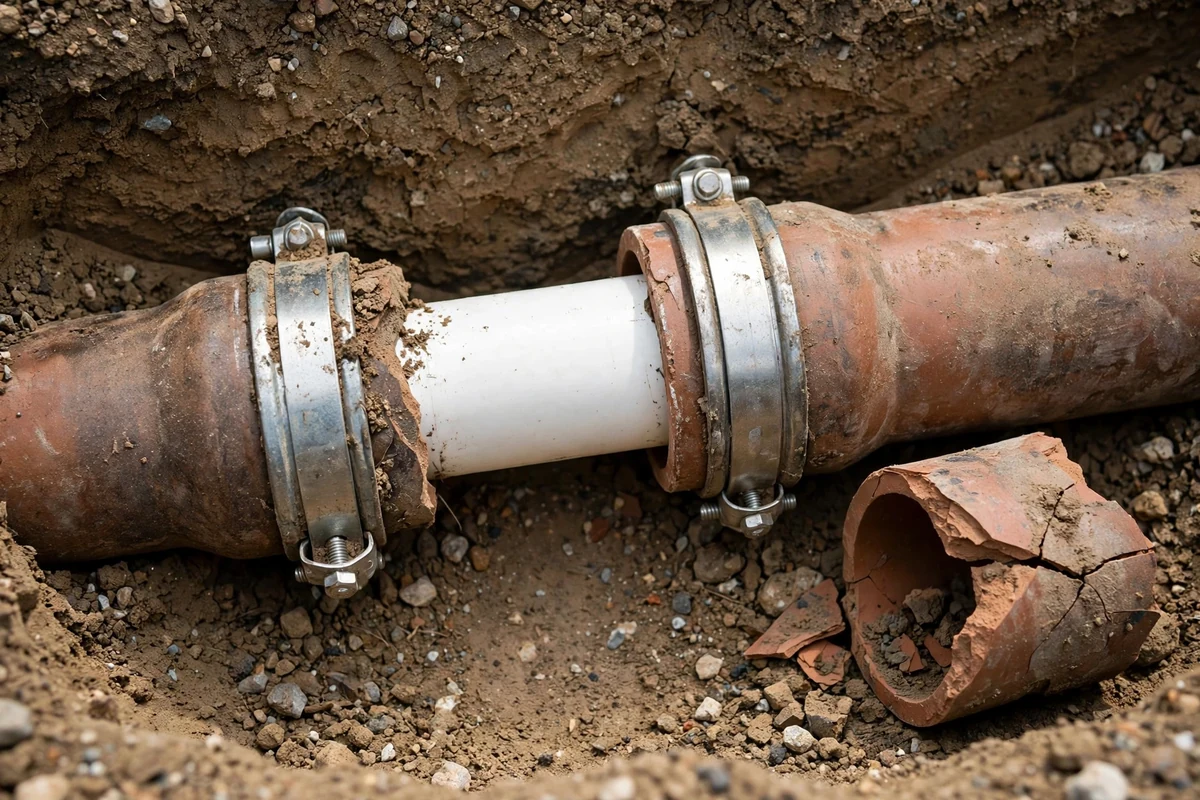
A leaking lateral doesn't just let wastewater out — it lets groundwater and roots in. In Connecticut's shoreline and river-valley neighborhoods, where the water table can be high, cracks can let groundwater flow into the line. Many towns work to reduce this kind of infiltration and inflow into public sewers, and some have programs addressing private laterals, sump pumps and downspouts that are connected to the sewer. Leaks can also undermine soil around the pipe, leading to sags and eventually a collapse.
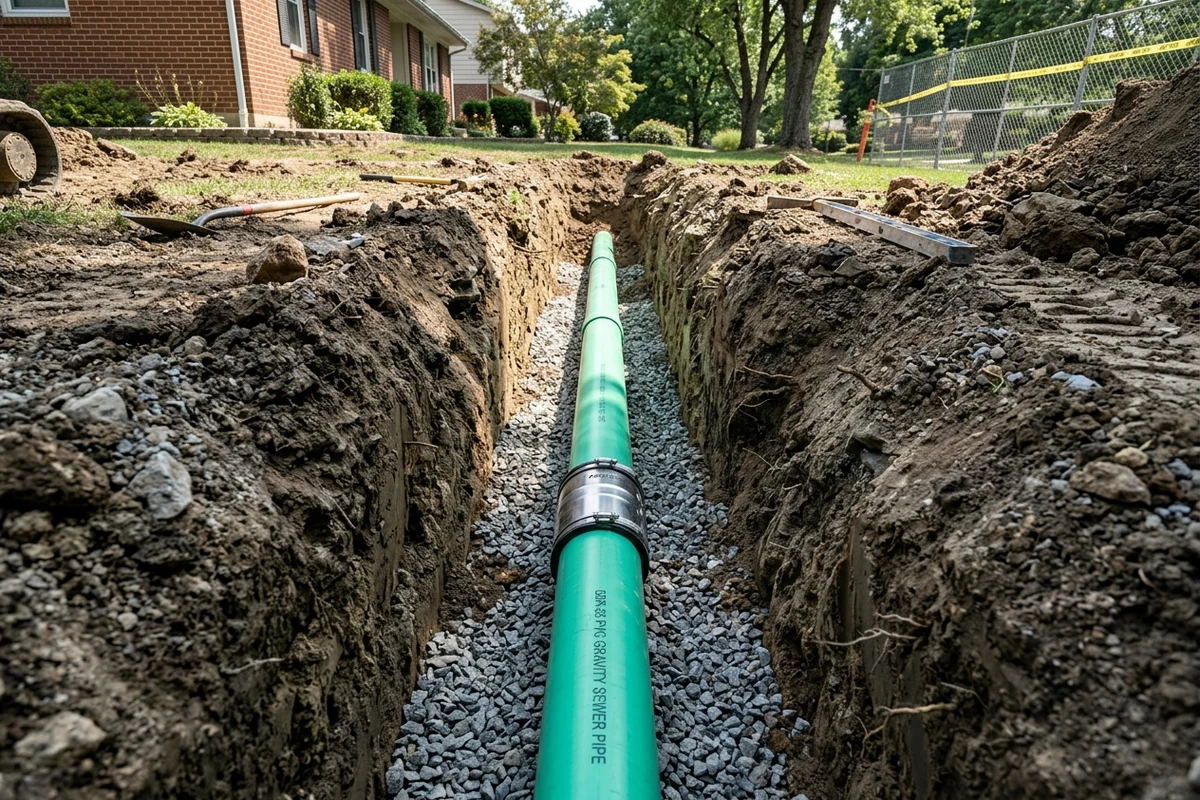
Once the leak is found, the fix may be a spot repair, a liner or a new line — all part of the same Connecticut sewer line repair decision covered on our homepage.
What to tell the contractor when you call
Where you notice the odor, wet ground or settling, and when it started
Whether it's worse after heavy rain, laundry or showers
Whether the house is on public sewer or a septic system
Any past repairs, cleanings or camera footage
Whether there's a cleanout and where it is
Ready to talk it through?
Call (855) 554-1144 to be connected with an independent local contractor for sewer line leak detection in your Connecticut town. Describe the symptoms, your town and any past work — it helps them give you useful answers fast.
Our process
How It Works
From your first call to the finished repair.
01
Describe the problem
Call and explain the symptoms, the property type and your town. It takes a few minutes.
02
Get connected
We route your call to an independent local sewer contractor serving your area, subject to availability.
03
Inspection & diagnosis
The provider investigates — often with a camera — and explains what they find and where.
04
Choose your fix
Review the options and written scope, then decide. You work directly with the provider.
Service areas
Sewer Line Leak Detection Across Connecticut
Choose your community for local details — neighborhoods, sewer setup and ground conditions — plus every sewer service available there.
Sewer gas can contain hydrogen sulfide and methane, and strong or persistent odors should be taken seriously. Ventilate the area and get the source checked. If you smell gas that could be natural gas, leave the building and call your gas utility or 911.
Is smoke testing safe for my home?
The smoke used for sewer testing is generally non-toxic and non-staining, and it dissipates quickly. If smoke shows up inside your home, that usually points to a dry trap or a defect in the plumbing that should be fixed.
Can a sewer leak cause a wet basement?
It can, although groundwater, gutters and grading are more common causes. Dye testing and a camera inspection help separate a sewer leak from ordinary water intrusion.
Who pays to fix a leaking lateral?
In most Connecticut towns the property owner is responsible for the private lateral. Rules about the section under the street vary — check with your WPCA, and see our guide to lateral responsibility.
Tell us what's happening at your property and we'll connect you with an independent local sewer contractor who can diagnose it and explain your options.